Stablecoins Meet Traditional Finance: OKX Enables Real-Time Crypto Spending Across Mastercard Network
OKX has introduced a comprehensive payment infrastructure for European users, enabling seamless euro deposits, conversion into fiat-backed stablecoins, and direct utilization for everyday transactions. The initiative represents a strategic pivot toward practical utility, moving beyond the exchange-centric models that have historically dominated the digital asset sector.
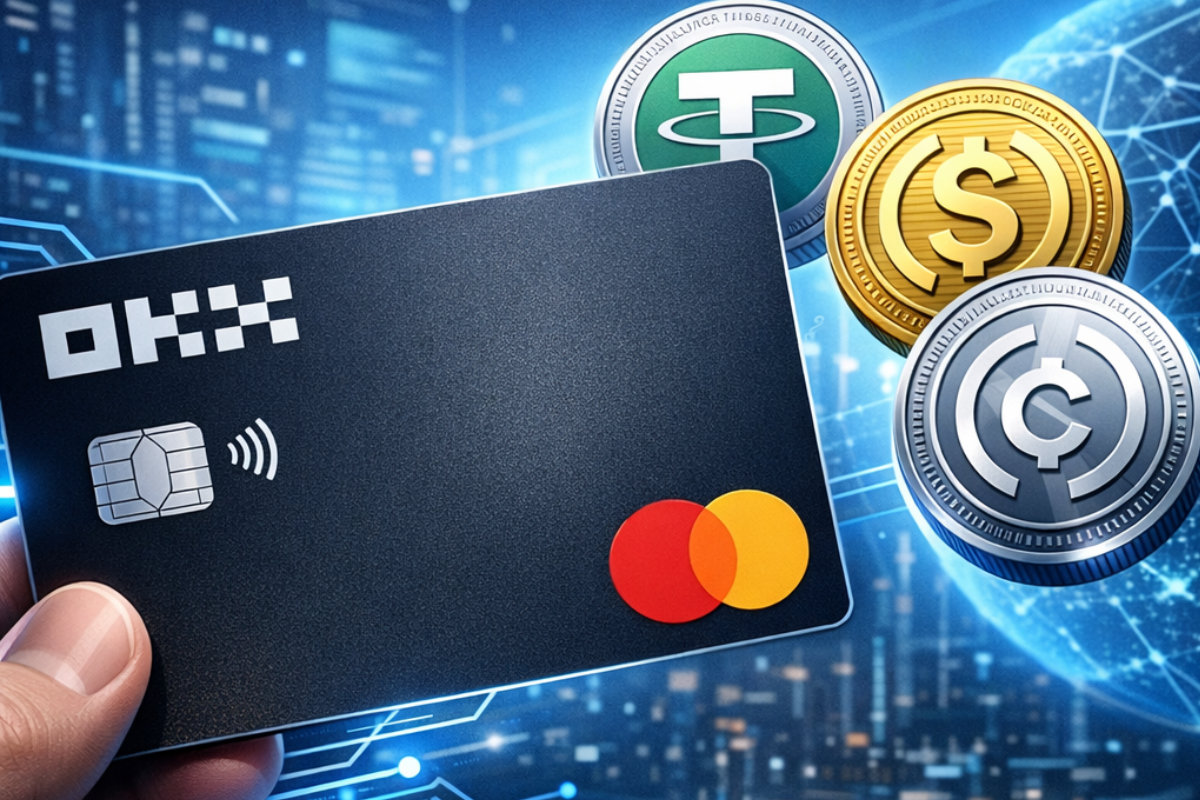
Central to this rollout is the OKX Card, a virtual debit instrument operating on the Mastercard global payments network. At the point of sale, stablecoin balances held within the OKX ecosystem are converted to euros in real time, allowing users to transact at any merchant accepting Mastercard—without requiring manual conversion steps or exposing consumers to settlement latency. This architecture effectively bridges decentralized liquidity with established retail payment rails.
Reorienting Toward Real-World Utility
OKX has characterized the launch as emblematic of a broader industry evolution. While the prior decade emphasized the development of trading venues, custody solutions, and market infrastructure, the current phase prioritizes frictionless integration into daily economic activity. Payments, the company argues, represent one of the most immediate and scalable use cases for mainstream adoption.
Although crypto payment applications have existed for several years, sustained consumer adoption has remained modest. OKX attributes this not to insufficient demand, but to the comparative adequacy of incumbent systems: conventional payment methods, despite limitations such as cross-border fees, transaction caps, and multi-day settlement cycles, generally meet baseline user expectations. For digital asset-based alternatives to gain meaningful traction, they must deliver unambiguous advantages in speed, cost, accessibility, or user experience.
Historically, several structural barriers impeded this value proposition: price volatility, complex self-custody workflows, inconsistent interface design, and fragmented regulatory oversight. In the European context, however, these constraints are progressively receding. Stablecoin usage has matured, wallet interfaces have improved in usability and security, and the implementation of the European Union's Markets in Crypto-Assets (MiCA) regulation has established a clearer compliance framework for licensed digital asset services.
Integrated Product Architecture
OKX Pay functions as the foundational wallet layer within this ecosystem. Users may hold regulated stablecoins and deploy them for routine expenditures—such as retail purchases, transit fares, or peer-to-peer settlements. Where local regulatory conditions permit, the interface also provides access to decentralized finance protocols and tokenized real-world asset applications, all within a supervised operational environment.
The OKX Card extends these balances into the conventional payments landscape. Denominated in euros and directly linked to OKX Pay, the virtual card automates currency conversion at checkout, abstracting technical complexity from the end user. This design aims to deliver the benefits of blockchain-based settlement—finality, transparency, and global interoperability—while preserving the familiarity and reliability expected from traditional card networks.
Strategic Partnerships Enhance Accessibility
In July, OKX integrated PayPal as a funding source for users across the European Economic Area. This partnership enables direct cryptocurrency purchases and deposits via PayPal balances, linked bank accounts, or registered payment cards—without requiring additional account configuration once initial linkage is complete. The initiative followed OKX's formal registration under MiCA, reinforcing the exchange's commitment to operating within defined regulatory parameters.
Concurrently, OKX announced a collaboration with Circle Internet Group to deepen liquidity and accessibility for the USDC stablecoin. The partnership facilitates instantaneous, 1:1 conversions between U.S. dollars and USDC on the OKX platform, enhancing trading efficiency and capital flexibility for the exchange's global user base exceeding 60 million accounts.
Collectively, these developments signal a maturing approach to crypto integration: rather than positioning digital assets as speculative alternatives, OKX is embedding them within familiar financial workflows—prioritizing compliance, usability, and interoperability as prerequisites for sustainable adoption.
Disclaimer: This communication is for informational purposes only and does not constitute financial, legal, or investment advice. Digital asset services are subject to regulatory variation across jurisdictions; users should verify eligibility, review applicable terms, and consult qualified professionals before engaging with crypto payment products or stablecoin instruments.