Russia's Ruble-Backed Stablecoin A7A5 Surpasses $100 Billion in Transactions Amid Sanctions Scrutiny
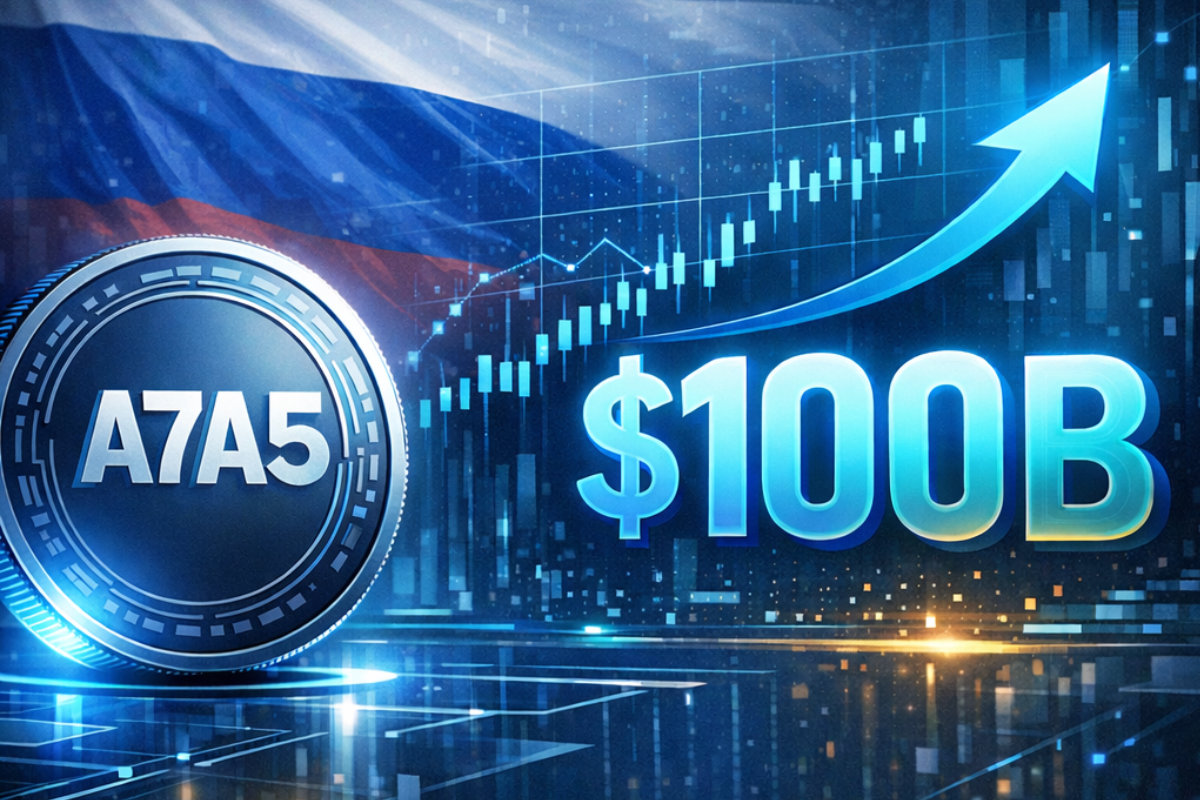
Blockchain intelligence firm Elliptic has published findings indicating that A7A5—a ruble-denominated stablecoin launched by Russia-based payments entity A7 LLC in January 2025—has facilitated more than $100 billion in onchain transactions within its first year of operation. The asset, issued across Ethereum and TRON networks, has drawn regulatory attention due to its stated objective of enabling cross-border settlements outside conventional Western financial channels.
According to the report, A7A5 maintains a declared 1:1 reserve backing through ruble deposits held at Promsvyazbank (PSB), a Russian state-owned financial institution previously subject to international sanctions. The stablecoin has processed approximately 250,000 onchain transactions originating from over 41,300 unique addresses. Elliptic observed a notable acceleration in activity during late September 2025, coinciding with the integration of PSB-issued bank cards as a direct purchase method for A7A5 tokens.
Transaction Flows and Market Integration
While earlier reporting in June 2025 noted that A7A5 had surpassed $9.3 billion in cumulative volume on the Grinex exchange, Elliptic's broader analysis places total exchange-related turnover at $17.3 billion. The dominant trading pairs—A7A5/rubles ($11.2 billion) and A7A5/USDT ($6.1 billion)—underscore the token's functional role as an intermediary between the Russian fiat system and globally liquid dollar-pegged stablecoins.
Currently listed exclusively on the decentralized exchange Uniswap, A7A5 reports a circulating supply of approximately 42.5 billion tokens, corresponding to a market capitalization exceeding $540 million based on prevailing dollar valuations. Holder distribution has expanded significantly, with 35,500 addresses now maintaining balances of the asset, up from roughly 14,000 in July 2025.
Sanctions Context and Emerging Constraints
The development of A7A5 aligns with broader efforts by Russian entities to mitigate the impact of coordinated financial restrictions imposed by the United States, European Union, and United Kingdom following the full-scale invasion of Ukraine. While Tether's USDT has historically served as the predominant digital asset for sanctioned Russian actors, A7A5 offers a ruble-native alternative designed to reduce exposure to foreign-issued stablecoins subject to potential freezing or delisting.
Nevertheless, Elliptic's analysis identifies emerging signs of momentum deceleration. Following intensified Western sanctions targeting Russia-linked digital asset infrastructure—including specific designations against cryptocurrency service providers—daily transaction volumes for A7A5 have declined from peak levels exceeding $1.5 billion to approximately $500 million. The report notes that "despite relatively high transaction volumes, there are indications that demand for A7A5 has stalled," suggesting that regulatory pressure may be constraining further adoption.
Implications for Compliance and Monitoring
The trajectory of A7A5 highlights both the adaptability of sanctioned jurisdictions in leveraging blockchain-based settlement layers and the evolving challenges faced by compliance-focused institutions. For regulators and financial intelligence units, the case underscores the importance of monitoring not only token issuance but also the fiat on-ramps, banking partnerships, and exchange listings that enable such instruments to achieve scale.
As digital asset frameworks continue to mature globally, the interplay between sovereign monetary policy, sanctions enforcement, and decentralized infrastructure will likely remain a focal point for policymakers, market participants, and analytics providers alike.
Disclaimer: This summary is for informational purposes only and does not constitute legal, financial, or compliance advice. Digital asset transactions may be subject to jurisdiction-specific regulations; entities should conduct thorough due diligence and consult qualified counsel regarding sanctions exposure and reporting obligations